

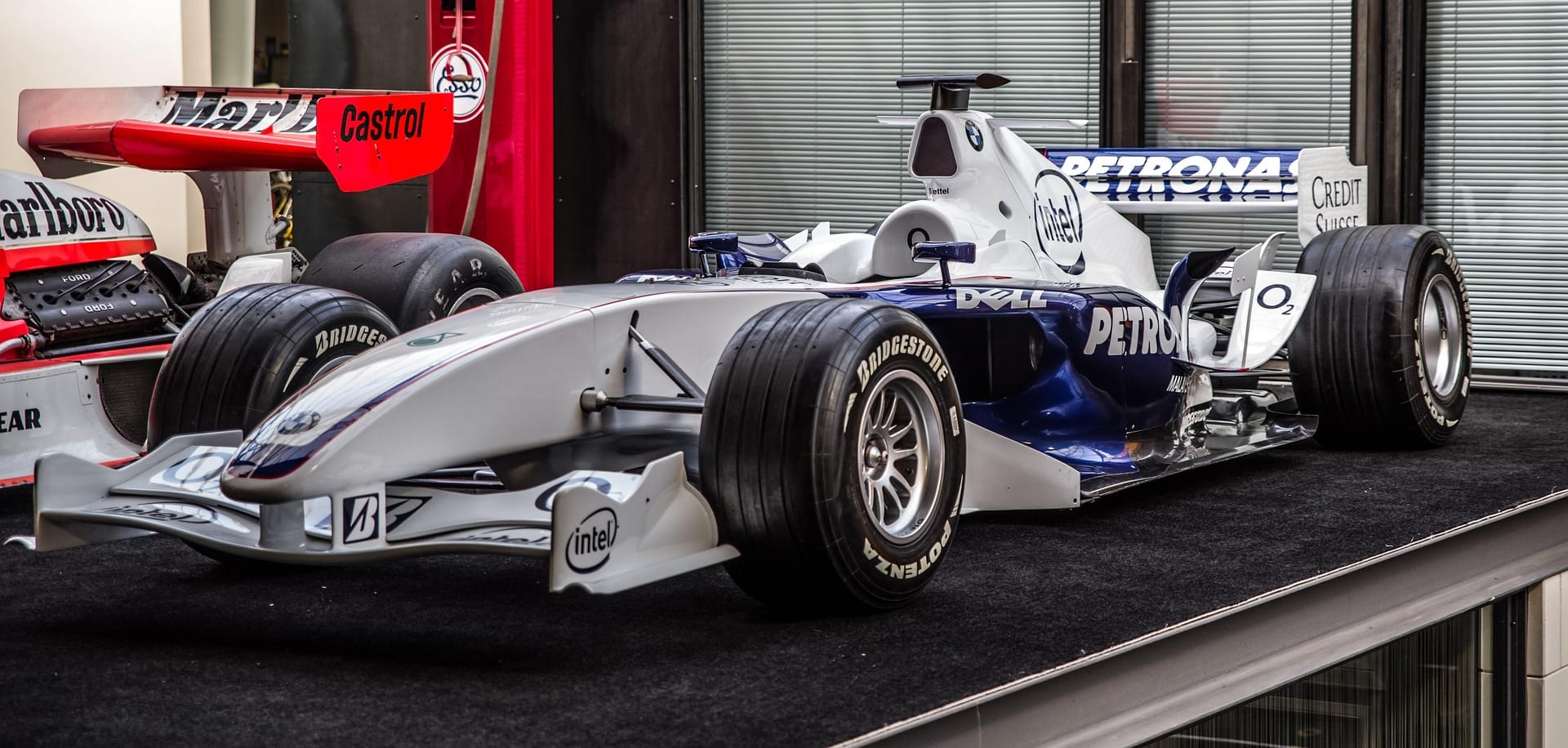
How Formula 1 Innovations Shape Modern Road Cars
Formula 1 racing represents the pinnacle of automotive engineering, pushing vehicles and technology to their absolute limits. While the sport is thrilling to watch, the innovations developed for F1 cars rarely stay confined to the racetrack. Over decades, lessons learned in aerodynamics, engine efficiency, materials science, and safety have gradually made their way into consumer vehicles. Today, many high-performance road cars benefit from technology that was first tested and perfected under the extreme conditions of Formula 1 racing. Understanding how these innovations transfer to everyday vehicles provides insight into how motorsport drives automotive progress. From safety enhancements to performance improvements, F1 continues to shape the cars millions of people drive each day, offering a bridge between racing precision and daily convenience.
Advanced Aerodynamics and Fuel Efficiency
Aerodynamics is one of the most visible and impactful areas where F1 technology influences road cars. Formula 1 engineers design car bodies to minimize drag while maximizing downforce, improving cornering stability and speed. These aerodynamic principles have crossed over into road vehicles, particularly high-performance sports cars and even some mainstream models. Features like active spoilers, air curtains, and carefully sculpted body panels help reduce air resistance and improve fuel efficiency. Consumers benefit from smoother rides, better handling, and sometimes even lower fuel consumption. Road car manufacturers often test concepts in wind tunnels, a method perfected in F1 racing, to balance performance and efficiency.
Hybrid and Energy Recovery Systems
Modern Formula 1 cars utilize hybrid technology and energy recovery systems, such as the MGU-K and MGU-H, to convert kinetic and heat energy into usable power. These systems provide extra energy bursts during races while improving overall efficiency. Many of these innovations have influenced hybrid and electric road cars. Automakers have adapted the concept of regenerative braking, allowing vehicles to recover energy while slowing down and convert it into battery power. This technology, first refined in the extreme environment of F1, has become standard in hybrid vehicles, helping drivers reduce fuel consumption while enhancing acceleration.
Advanced Materials and Lightweight Construction

F1 cars rely on materials like carbon fiber and titanium to achieve maximum strength with minimal weight. Every gram matters in racing, and lightweight materials improve acceleration, handling, and safety. High-performance road cars often borrow these materials to create stronger and lighter chassis components. Even some premium consumer vehicles now incorporate carbon fiber panels, aluminum structures, and composite materials to enhance structural integrity while reducing weight. This results in more responsive handling, better fuel efficiency, and increased safety for drivers and passengers.
Braking Systems and Vehicle Control
Precision braking is critical in Formula 1, where stopping distances are measured in meters rather than seconds. F1 engineers have developed high-performance braking systems that include carbon-ceramic discs, advanced cooling methods, and electronic brake distribution. Some of these technologies have been adapted for road vehicles, particularly high-performance cars. Modern braking systems in sports cars now offer shorter stopping distances, better heat resistance, and improved control in emergency situations. Even mainstream vehicles benefit indirectly, with ABS, electronic brake-force distribution, and traction control systems tracing their origins to racing innovations.
Safety Features and Driver Protection
Safety remains a paramount concern in Formula 1, where accidents can be catastrophic. Innovations such as energy-absorbing crash structures, reinforced cockpits, and the halo device for head protection have all been developed to protect drivers. These safety measures influence road car design as well. Crumple zones, advanced airbags, seatbelt pre-tensioners, and reinforced cabin structures have been informed by lessons from F1 crash testing. The rigorous standards and testing methods used in racing have helped manufacturers create vehicles that better protect occupants during collisions, improving overall road safety.
Formula 1 technology has significantly shaped the evolution of modern road cars. Innovations in aerodynamics, hybrid power systems, lightweight materials, braking systems, and safety features demonstrate how racing advancements eventually benefit everyday drivers. By testing concepts under extreme conditions, F1 engineers uncover solutions that enhance efficiency, performance, and protection in consumer vehicles. The collaboration between motorsport and automotive manufacturing ensures that lessons learned on the racetrack translate into practical improvements on public roads, creating cars that are faster, safer, and more efficient for millions of drivers worldwide.