

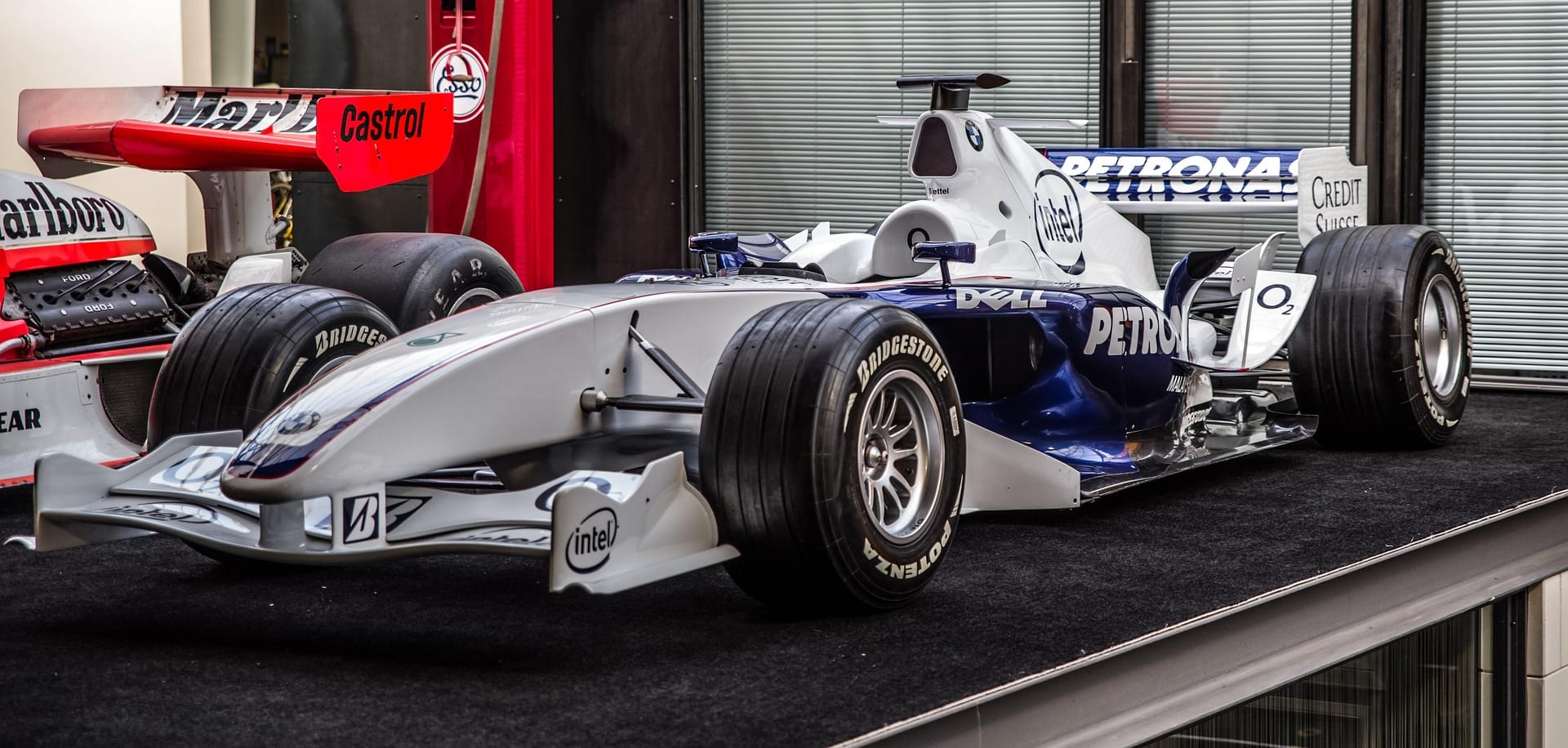
How Formula 1 Innovations Shape Modern Road Cars
Formula 1 racing represents the pinnacle of automotive engineering, pushing vehicles and technology to their absolute limits. While the sport is thrilling to watch, the innovations developed for F1 cars rarely stay confined to the racetrack. Over decades, lessons learned in aerodynamics, engine efficiency, materials science, and safety have gradually made their way into consumer vehicles. Today, many high-performance road cars benefit from technology that was first tested and perfected under the extreme conditions of Formula 1 racing. Understanding how these innovations transfer to everyday vehicles provides insight into how motorsport drives automotive progress. From safety enhancements to performance improvements, F1 continues to shape the cars millions of people drive each day, offering a bridge between racing precision and daily convenience.
Advanced Aerodynamics and Fuel Efficiency
Aerodynamics is one of the most visible and impactful areas where F1 technology influences road cars. Formula 1 engineers design car bodies to minimize drag while maximizing downforce, improving cornering stability and speed. These aerodynamic principles have crossed over into road vehicles, particularly high-performance sports cars and even some mainstream models. Features like active spoilers, air curtains, and carefully sculpted body panels help reduce air resistance and improve fuel efficiency. Consumers benefit from smoother rides, better handling, and sometimes even lower fuel consumption. Road car manufacturers often test concepts in wind tunnels, a method perfected in F1 racing, to balance performance and efficiency.
Hybrid and Energy Recovery Systems
Modern Formula 1 cars utilize hybrid technology and energy recovery systems, such as the MGU-K and …